

I Thought I Was Watching a Hockey Romance. I Ended Up With a Business Case Study.
A Valentine's Day essay on Heated Rivalry and the business consequences of underestimating romance.

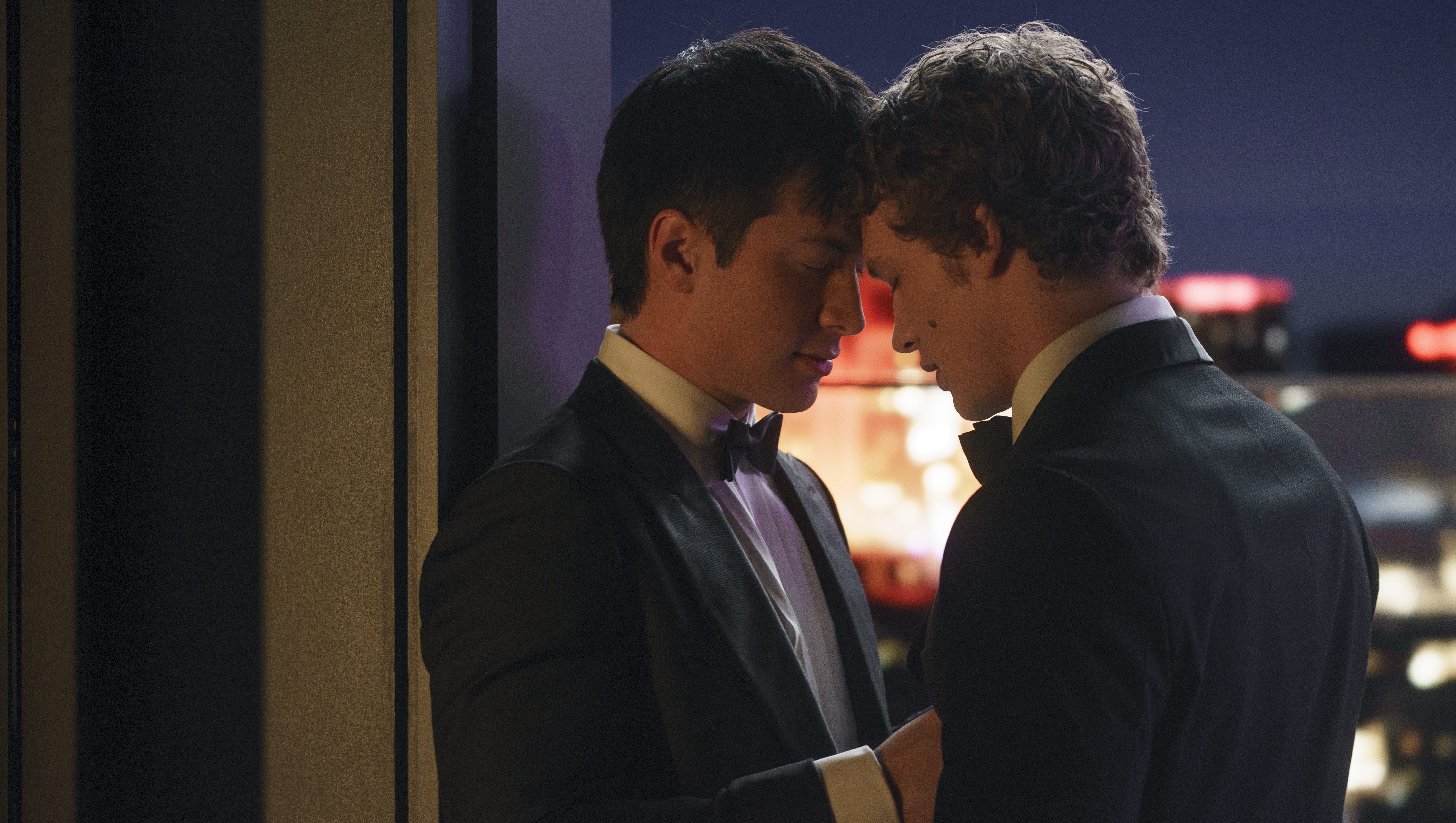
Men talking about it seriously on hockey podcasts. Women dissecting scenes like they’re case law. Professional athletes coming out and naming the show as part of what made them feel ready.
That kind of cultural saturation doesn’t happen by accident.
A couple of Saturdays ago, I finally watched Heated Rivalry. All six episodes in one sitting. Downloaded the book immediately after. Read that in a day too. Then, yes, watched it again.
What struck me almost as much as the show itself was the scale of the reaction around it. And not just in an algorithm-boosted way. It was omnipresent because people actually cared and talked about it.
No paid marketing campaign can manufacture that. You can't buy genuine cultural saturation—you have to earn it.
And I can’t stop thinking about why a low-budget Canadian queer hockey romance became one of the most talked-about shows of the year, launched its stars into superstardom overnight—and what that says about who decides what gets made.
The Numbers We Keep Ignoring
Romance is the highest-selling book genre in the world. It has been for years. BookTok has only accelerated that reality—backlists resurrected overnight, authors selling millions because readers filmed themselves crying over a single chapter.
The audience is massive. It’s loyal. It mobilizes.
And yet in film and television, romance still gets treated like it’s slightly unserious. A little indulgent. A little “for women.” We’ll spend hundreds of millions of dollars on another action franchise without blinking. But a romance—especially a queer one, especially an explicit one—still has to justify its existence in a way other genres don’t.
That disconnect isn’t about market size. It’s about hierarchy.
The Decision That Made the Difference
What’s most interesting about Heated Rivalry is that it didn’t try to make itself more acceptable.
Jacob Tierney could have diluted the intimacy. He could have chased celebrity casting to inflate the optics. He could have softened the emotional thesis in pursuit of “broader appeal.”
Instead, he made a specific choice: honor the book. Honor the audience that already existed. Trust that if you build something emotionally honest enough, the right people will show up. In fact, he walked away from bigger deals and bigger dollars to make it happen.
That's not a creative gamble. That's market intelligence.
The show didn’t apologize for being a romance. It didn’t treat desire like something that needed to be delayed or disguised. It took longing and vulnerability seriously instead of winking at them.
And audiences rewarded that conviction.
What Actually Cuts Through
Romance works because it’s about risk. About wanting someone. About choosing and being chosen. These aren’t trivial themes just because they’re often centered around women.
In fact, the reason they’ve been systematically undervalued is because they’re centered around women.
Hollywood keeps saying it wants broad appeal. But the things that actually scale are often the ones that refuse to dilute themselves. Specificity isn’t the opposite of reach—sometimes it’s the only path to it.
This is basic marketing strategy: know your audience. Build for them specifically. That specificity is what creates resonance. And resonance is what spreads. When you try to appeal to everyone, you end up mattering to no one. When you build something that a specific audience cares deeply about, that’s when you break through.
Queer stories get dismissed as 'niche' the same way romance gets dismissed as 'for women'—as if desire, intimacy, and love are somehow narrow concerns. Heated Rivalry proved what should have been obvious: universal themes don't require universal characters. They require emotional honesty.
Heated Rivalry didn’t become culturally omnipresent because it tried to be for everyone. It became omnipresent because it was uncompromising about who it was for—and that specificity gave people something to care about.
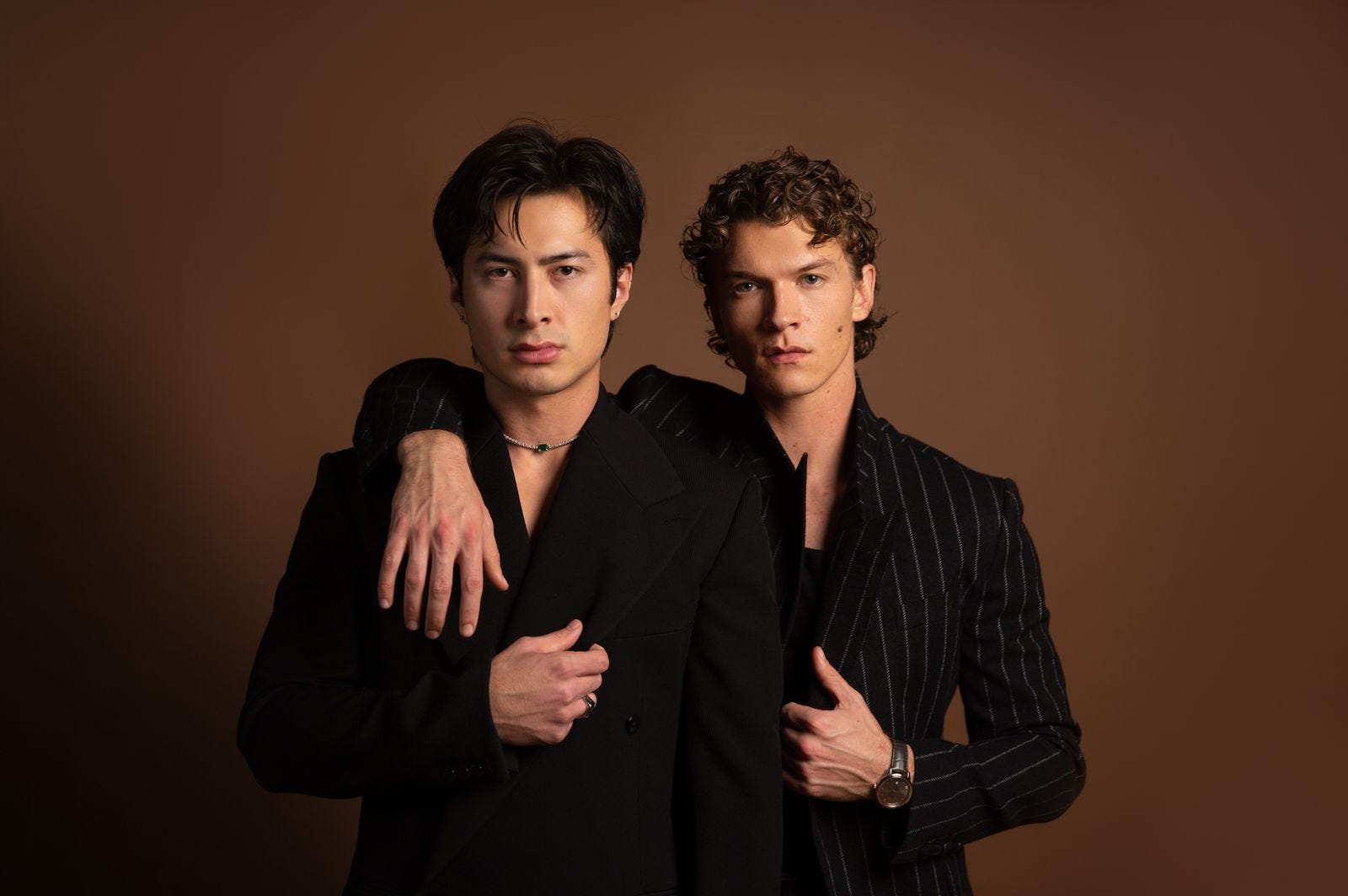
The Business Case
Here’s what I keep coming back to: industries are slow to admit when their blind spots are cultural rather than financial.
Romance has always made money. But because it’s culturally coded as feminine—because it centers intimacy instead of spectacle—it has historically received less capital, less prestige, less institutional confidence.
That’s not a market failure. It’s a power structure.
Institutional caution doesn't protect you from risk—it just ensures someone else captures the upside while you're still deliberating.
And when you consistently undervalue what women love, you don’t just reveal a bias. You reveal a structural miscalculation.
The lesson here isn’t that romance works (we know it does). The lesson is that audiences know what they want—and gatekeepers keep second-guessing them.
There’s been more written about this show in the past few months than I’ve seen about almost anything in my 15 years working in entertainment. People are analyzing the chemistry, the soundtrack, why straight women love watching desire without misogyny, what it means for queer representation. All of that matters. The cultural impact is real—I’d bet money that if someone stood on the ice after winning the Stanley Cup this year and kissed their boyfriend, the arena would erupt.
But this is a business newsletter. So what I keep coming back to is this: Heated Rivalry is a case study about who gets to decide what’s valuable, what’s serious, what deserves investment.
Eventually, the market corrects you.
Whether Hollywood learns from the correction is a different story.
Exit Interview is the honest debrief on work, power, and culture. I'm Kathleen—I've spent 15 years working in entertainment, advocacy, and strategy, and the past eight building a business on my own terms. This is where I say the quiet part out loud: how power actually moves, how careers really evolve, and what I've learned since stepping off the corporate ladder.