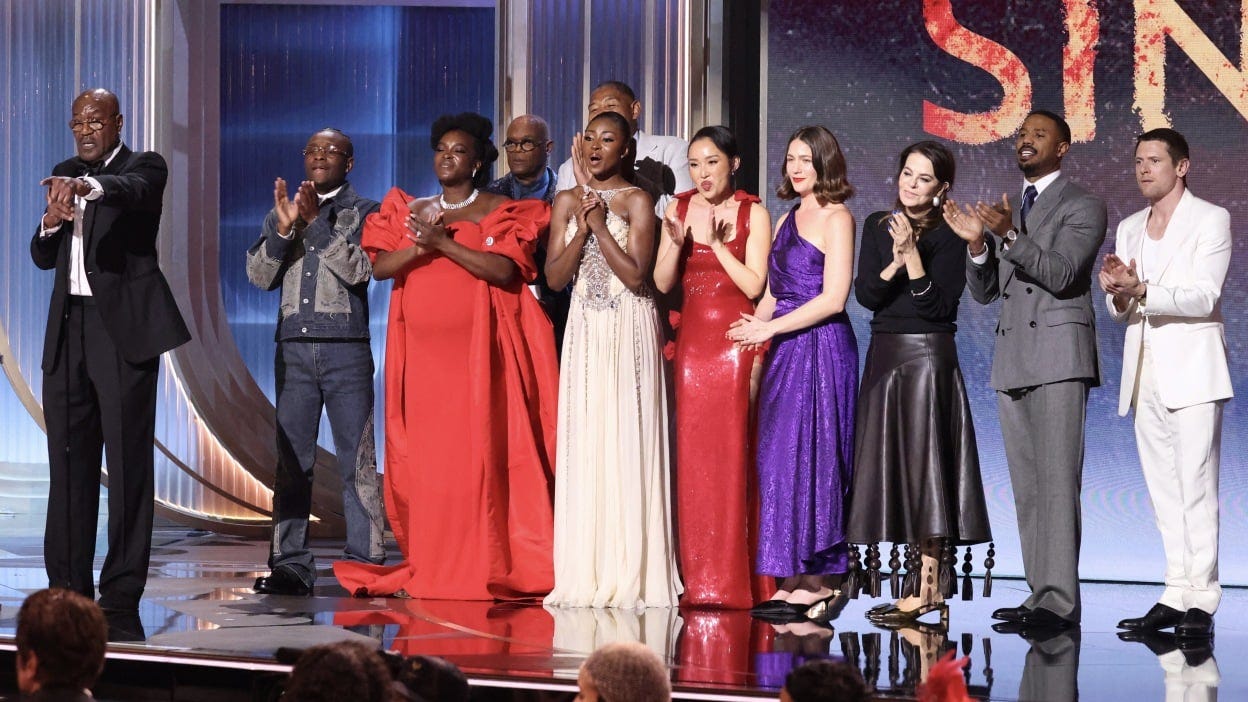
Why I Want Sinners to Win Tonight
On original stories, filmmaker ownership, and why the Oscars need a course correction.

Tonight’s Best Picture race is a referendum on what kind of films Hollywood still has the courage to make.
I work in awards campaigns. I didn’t work on Sinners. And I really, really hope it wins.
Not just because it’s a great film, though it is. But because of what a win would signal for the future of this industry.
The Radical Act of an Original Story
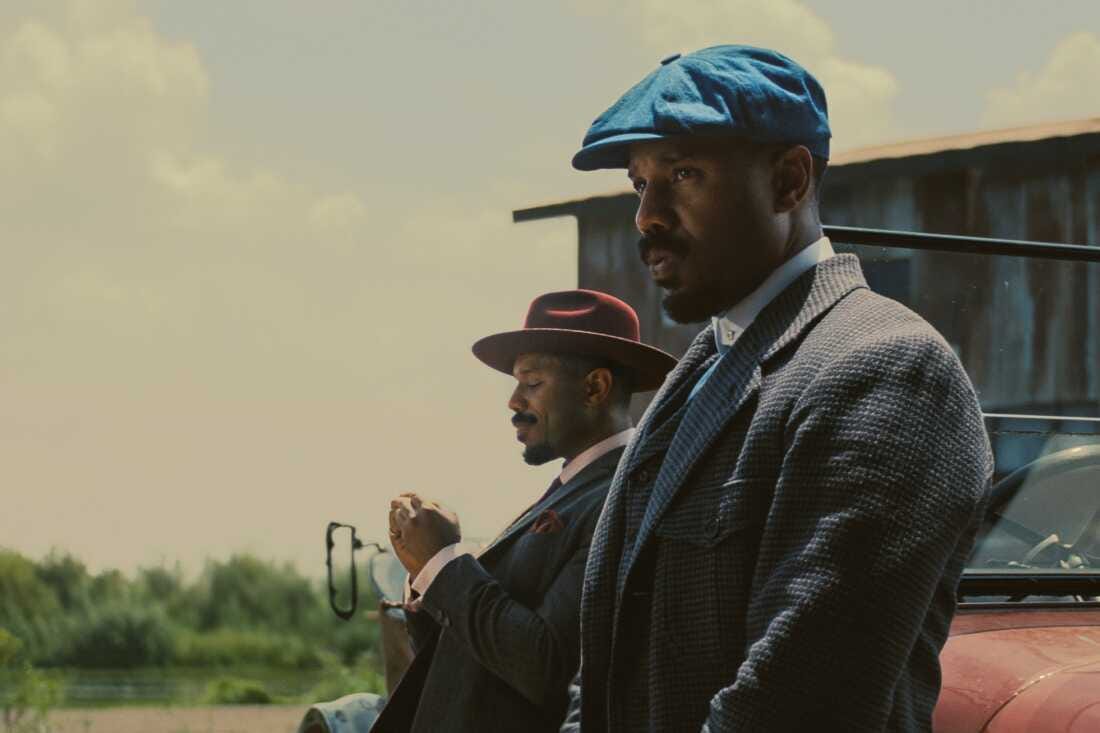
Perhaps the most remarkable thing about Sinners is also the simplest: it’s an original story.
Not a sequel. Not a remake. Not an adaptation of a bestselling novel, a comic book, or a podcast. Just a film built from an idea.
That used to be the norm. But over the past two decades, Hollywood has steadily shifted toward existing intellectual property as the foundation of its business model. Today, only about a quarter of major studio films are based on original ideas. The rest are sequels, remakes, and adaptations… built on the logic that familiar is safer, easier to market, easier to justify to a corporate board.
Original films are harder to model. But they’re also where the most interesting storytelling tends to live.
People Actually Showed Up
Here’s the thing that keeps striking me: almost every non-industry person I’ve talked to this awards season has seen Sinners. In many cases, it’s the only Best Picture contender they’ve seen.
That shouldn’t be remarkable. But it is.
Over the past decade, the Oscars have drifted further and further from mainstream audiences. Many nominated films are critically admired but culturally invisible: respected within the industry, largely unseen by the public. Sinners became something closer to a cultural moment. People talked about it. Recommended it. Dragged their friends to see it.
A Best Picture win for Sinners would be a rare alignment between awards recognition and actual audience engagement. And the Oscars desperately need that alignment if they want to stay culturally relevant.
It Broke the Awards Calendar Too
Awards campaigns follow an unofficial playbook. Films most likely to win arrive late in the year, carefully timed to stay fresh in voters’ minds. Sinners premiered last April—a timeline that would normally place it at a serious disadvantage.
And yet here we are.
If it wins tonight, it will challenge another quiet assumption about how this industry works: that awards success can only be engineered through release timing and careful campaign mechanics. These assumptions and mechanics pay my bills, but we need to remember that sometimes cultural momentum—audiences discovering a film, championing it, refusing to let it fade—matters just as much.
Culture, Folklore, and the Power of Story
The part of Sinners that I keep thinking about most isn’t the horror. It’s the history.
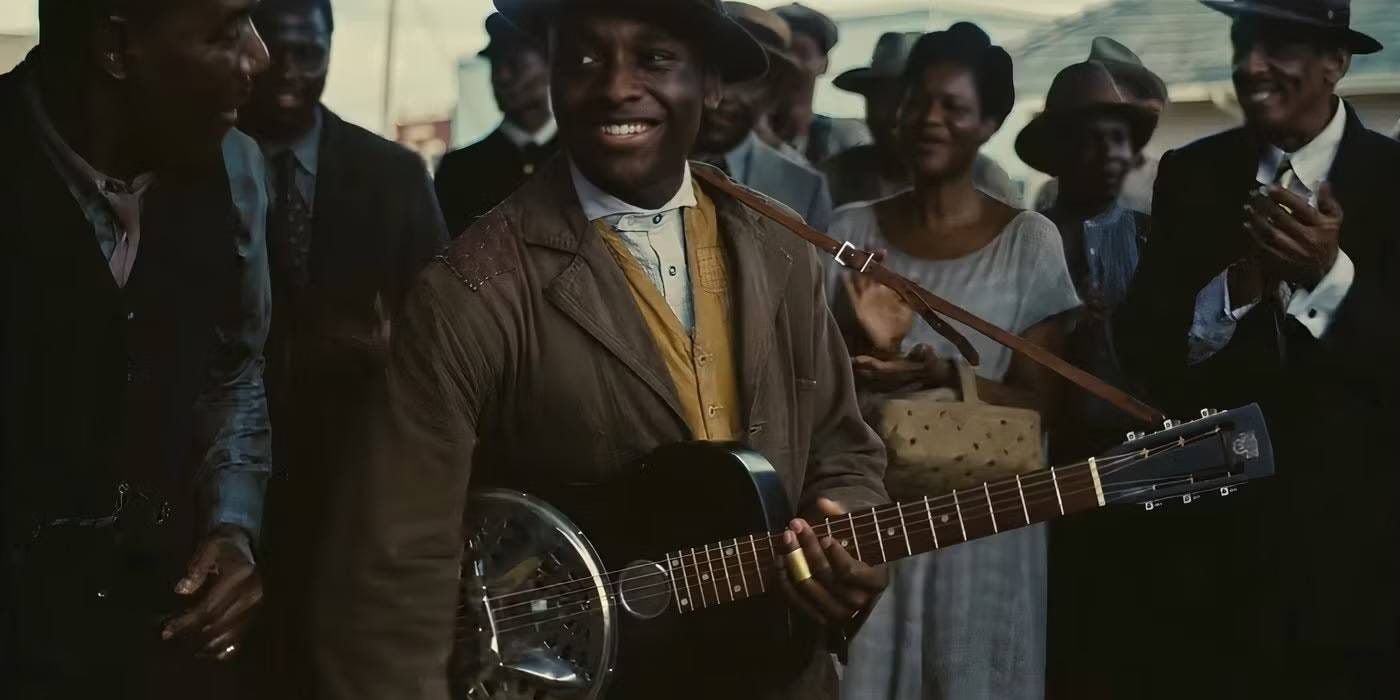
The film draws deeply from the blues and the cultural life of Black communities in the American South—the juke joints, the music, the gathering spaces that served as safe havens during a period defined by segregation and racial violence. It even includes a nod to the lesser-known role of Chinese grocers in the Mississippi Delta, a real and fascinating piece of that region’s social history that almost never gets told.
And then there’s the central villain: an Irish vampire. Which isn’t just a horror trope. It’s allegory.
Irish immigrants in America were once marginalized outsiders who ultimately gained power through assimilation into whiteness. In Sinners, the vampire arrives drawn to the vitality of the culture he encounters, and what begins as fascination quickly becomes domination. Colonization. Cultural extraction. The repeated historical pattern of dominant groups entering spaces they didn’t build, taking from them, and destabilizing them in the process.
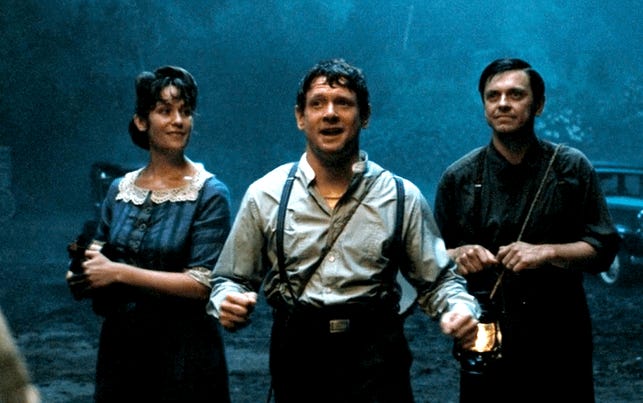
Sinners doesn’t present any of this as a lecture. It embeds it inside genre storytelling: music, horror, folklore, performance. That’s what powerful cultural storytelling does. It turns history into narrative. It lets audiences experience political and historical truths emotionally, through story.
That’s the reason I work in this industry. Film and television are the only mediums that build empathy at scale. The more we see each other—really see each other—the more human we become.
The Ownership Question
The story behind Sinners is almost as important as the story on screen.
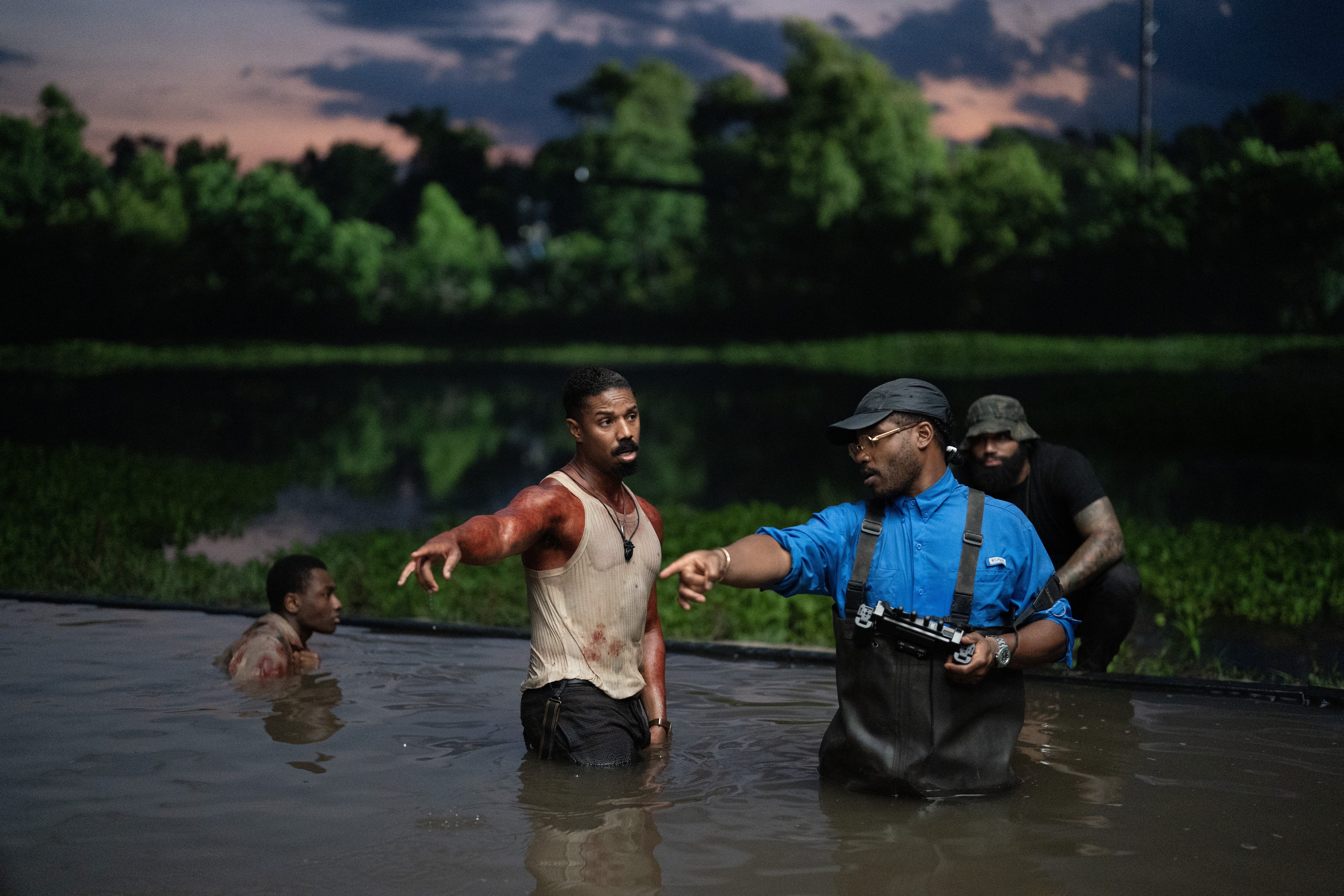
Ryan Coogler negotiated a deal with Warner Bros. that granted him significant creative control and long-term ownership rights over the film. In the modern studio system, that’s genuinely rare. And it matters because ownership determines who benefits from cultural success, not just today but decades from now.
As studios have consolidated and IP has become the central asset in entertainment, filmmakers have steadily lost leverage over the stories they create. Rights get centralized within corporations. Creative talent gets treated as contractors.
Coogler pushed in the opposite direction. And the result was one of the most culturally significant films of the year.
A Word on One Battle After Another
I’ll be honest: I didn’t love the other major contender in this race. I found it narratively unconvincing in ways that have been well-documented by people far more eloquent than me. I’ll leave it at that. What I’ll say is this: the contrast between the two films sharpens the point. One made me feel something, made me care enough to listen to interviews, google more about aspects of the history. The other didn’t.
Awards seasons are full of films the industry decides matter. Fewer are films that actually do.
What a Win Would Actually Signal
Sinners did something rare: it captured critical recognition and genuine cultural momentum at the same time. Its historic 16 nominations reflect that. But if it wins Best Picture tonight, the significance goes beyond the trophy.
It would signal that original stories, made by filmmakers who actually own their work, for audiences who actually show up… those films can still win. And if they can still win, maybe more of them will get made.
In an industry increasingly shaped by corporate logic and franchise economics, that’s not a small thing.
That’s the whole thing.